TreeBarkId
8 minute field guide
Tree Bark Texture Types for Identification
The most useful tree bark texture types are smooth, lenticeled, peeling, ridged, furrowed, plated, scaly, and shaggy. These labels give you a repeatable way to describe a trunk before searching for a species. Texture varies with age and position, so compare the main trunk with younger growth and record the pattern as well as the surface feel.
By Fluxer Labs SL · Updated
Compare the pattern, then verify the species
Use these photographs to describe what is visible. A texture category is a clue, not a species name.
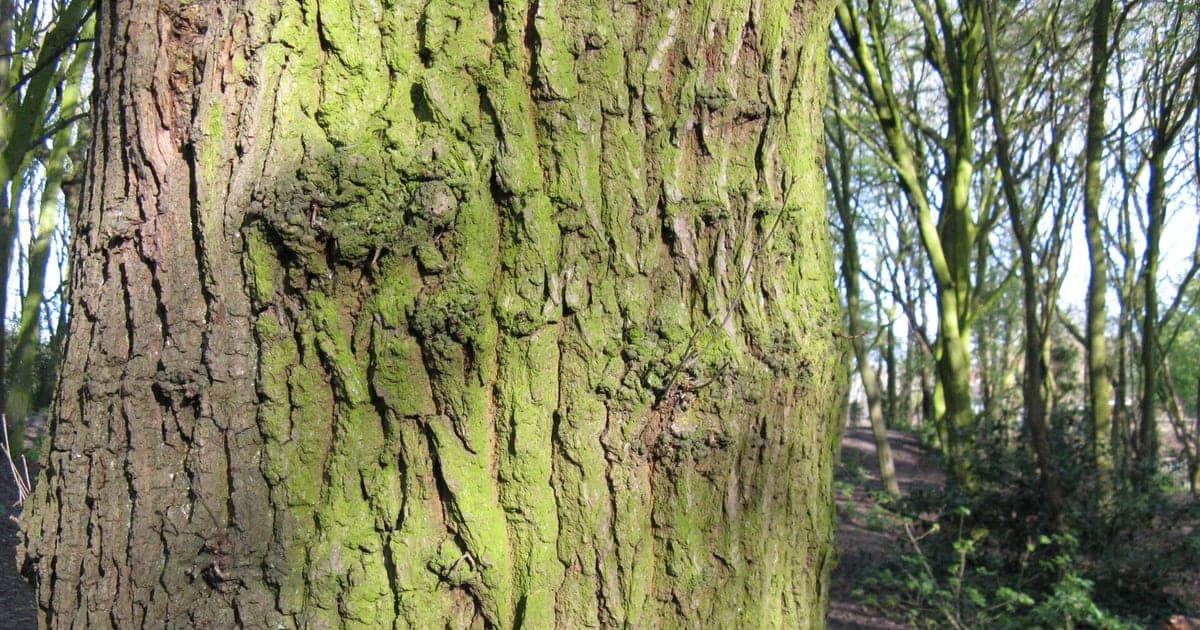
Ridges and furrows
The oak photograph shows raised strips separated by grooves. Several unrelated trees share this pattern; confirm with leaves, buds, or fruit.
Thin peeling curls
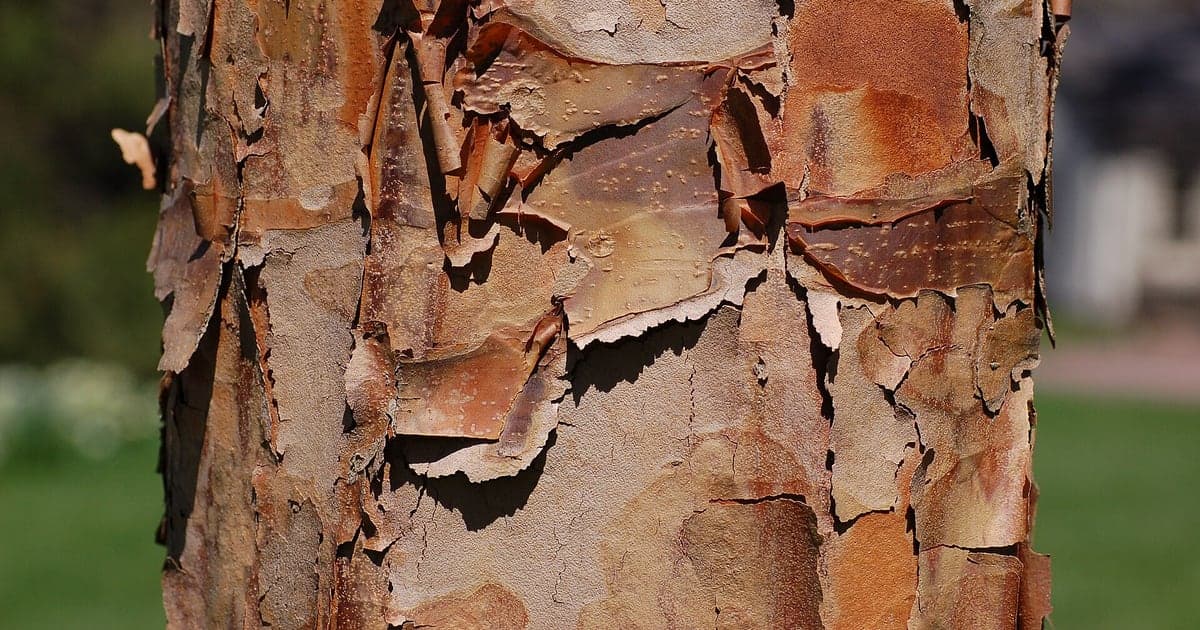
The paperbark maple photograph shows layered, curling bark. Look for three leaflets to test this particular candidate.
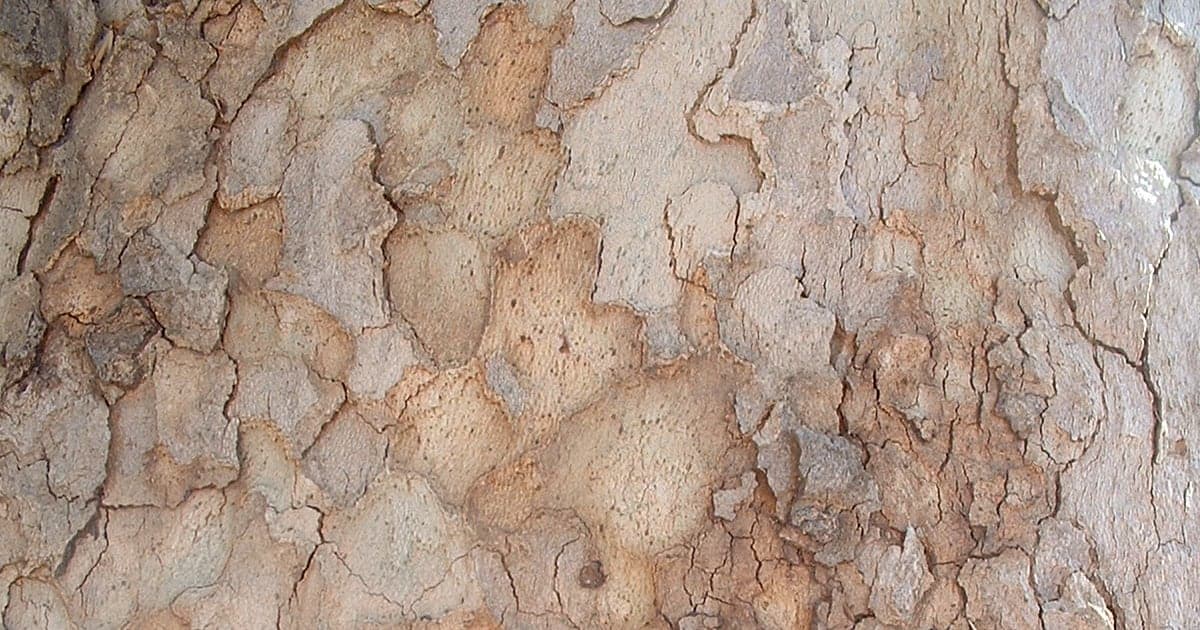
Irregular patches
The Oriental plane photograph shows a patchwork surface. Record the pattern before using color, which shifts with lighting and moisture.
Smooth bark and visible lenticels
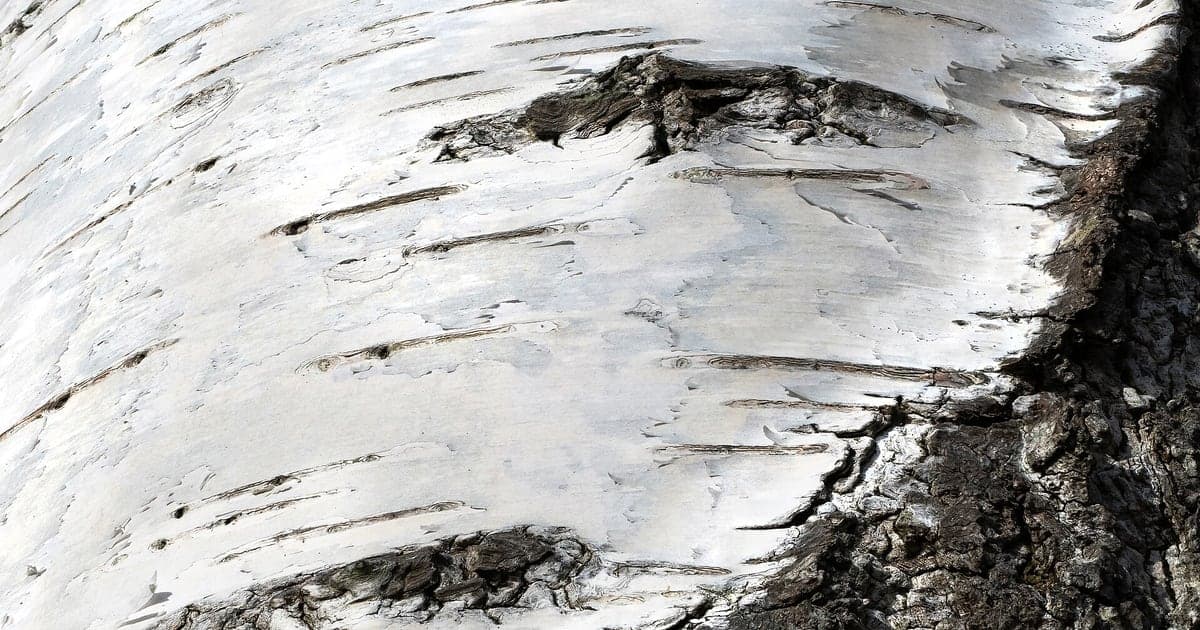
Smooth bark has no deep ridges or loose plates, but it is rarely featureless. Look for lenticels, small pores that may appear as horizontal lines, dots, or short vertical marks. Their size, color, spacing, and orientation can separate otherwise similar young trees. Beech is a familiar smooth-barked example, while many birches show conspicuous horizontal lenticels.
Smooth bark is common on younger stems even when the mature trunk later becomes fissured. Check for scars, color patches, and changes near branch unions without mistaking superficial lichen for the tree's own pattern. A side-lit photograph usually records shallow pores better than direct midday light.
Peeling, scaly, and shaggy bark
Peeling bark separates from the trunk in curls, strips, sheets, or irregular patches. Paper birch forms thin papery layers, while sycamore sheds plates that reveal lighter inner colors and create a mottled trunk. The direction of peeling matters: horizontal curls suggest a different group from long vertical strips.
Scaly bark releases smaller flakes, often with overlapping edges. Shaggy bark lifts in longer coarse strips that remain attached at one end. Photograph the intact pattern rather than pulling a loose piece. Normal shedding is not automatically a health problem, and some species are recognized by exactly this behavior.

Ridges, furrows, plates, and blocks
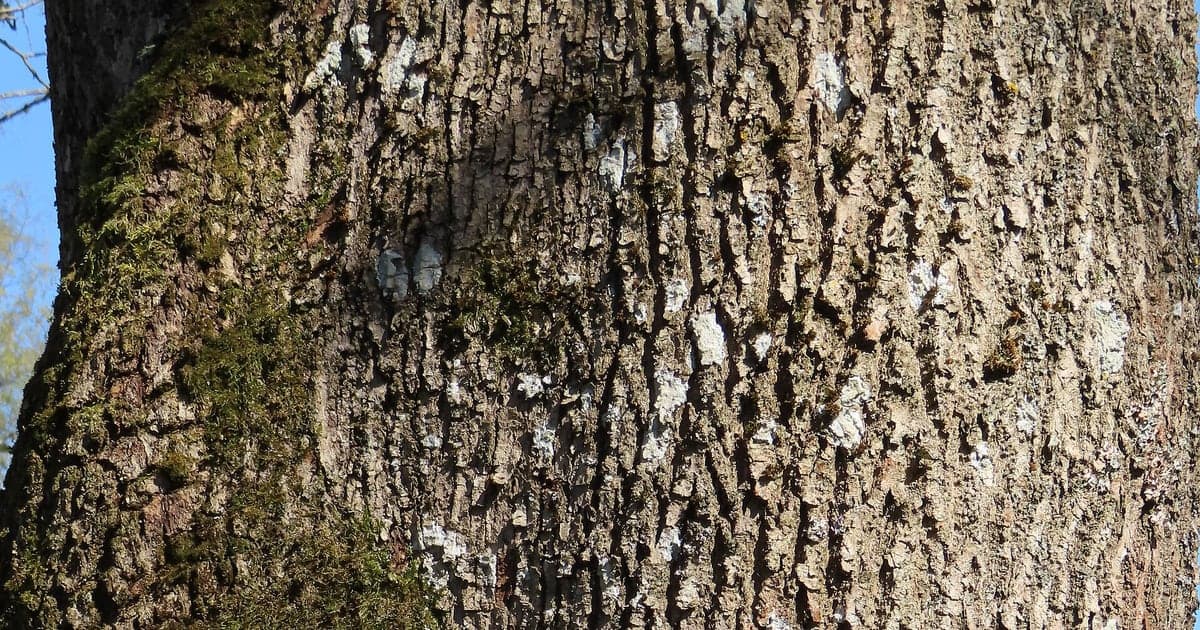
Ridges are raised lines, and furrows are the grooves between them. Note whether ridges stay parallel, weave together, or form diamond shapes. Their width, stiffness, and broken edges can matter. The color and texture inside a furrow may be more distinctive than the outer ridge, especially when the surface has weathered gray.
Plated or blocky bark divides into larger sections. Plates may be broad and flat, curled at the edge, or arranged like irregular paving stones. Photograph enough trunk to show the repeated scale of the pattern. A close crop of one block can hide the arrangement that makes it useful.
Turn a texture description into a species check
Write a short observation before opening a result: for example, gray-brown bark with narrow vertical ridges, reddish furrows, and no peeling. This prevents a suggested name from changing what you think you saw. Submit the bark image to TreeBarkId, then compare the detailed characteristics with your note and the rest of the tree.
Texture is one part of identification. Add leaf or needle arrangement, buds, fruit, cones, crown form, and location. Cornell notes that people who work in woods often use bark, but the differences can be fine and depend on ridge thickness, furrow color, and other details. Repeated observation is more dependable than memorizing one polished example photograph.
Make bark notes that can be compared later
Use the same order each time: base color, surface type, pattern direction, scale, and any special mark. A field note might read pale gray, smooth, horizontal lenticels, no peeling, with darker patches near the base. That is easier to compare than rough bark because another person can look for each recorded feature on the tree and in a reference image.
Add trunk diameter or a simple size category because bark develops with age. Photograph one hand-width section for fine texture and a larger section for the repeated pattern, but keep your hand out of the identification frame. Record whether the surface was wet, shaded, or covered by lichen at the time of observation. Over several walks, consistent notes create a personal reference for local trees and reveal which texture words actually help you separate common species.
Questions about this guide
What are the main types of tree bark?
Useful field categories include smooth, lenticeled, peeling, ridged, furrowed, plated, scaly, and shaggy. A single trunk can combine more than one category as it ages.
Does peeling bark mean a tree is unhealthy?
Not necessarily. Peeling is normal for species such as birch and sycamore. Fresh wounds, exposed wood, dead branches, or unusual fluid should be assessed in the context of the whole tree.