TreeBarkId
7 minute field guide
How to Identify a Tree Without Leaves
A tree without leaves can be identified by combining bark with twig and bud arrangement, the shape of the crown, and anything that remains on or beneath the tree. Start with opposite versus alternate branching, inspect terminal buds and leaf scars, then compare bark texture. Winter removes one familiar clue, but it often makes the tree's structure easier to see.
By Fluxer Labs SL · Updated
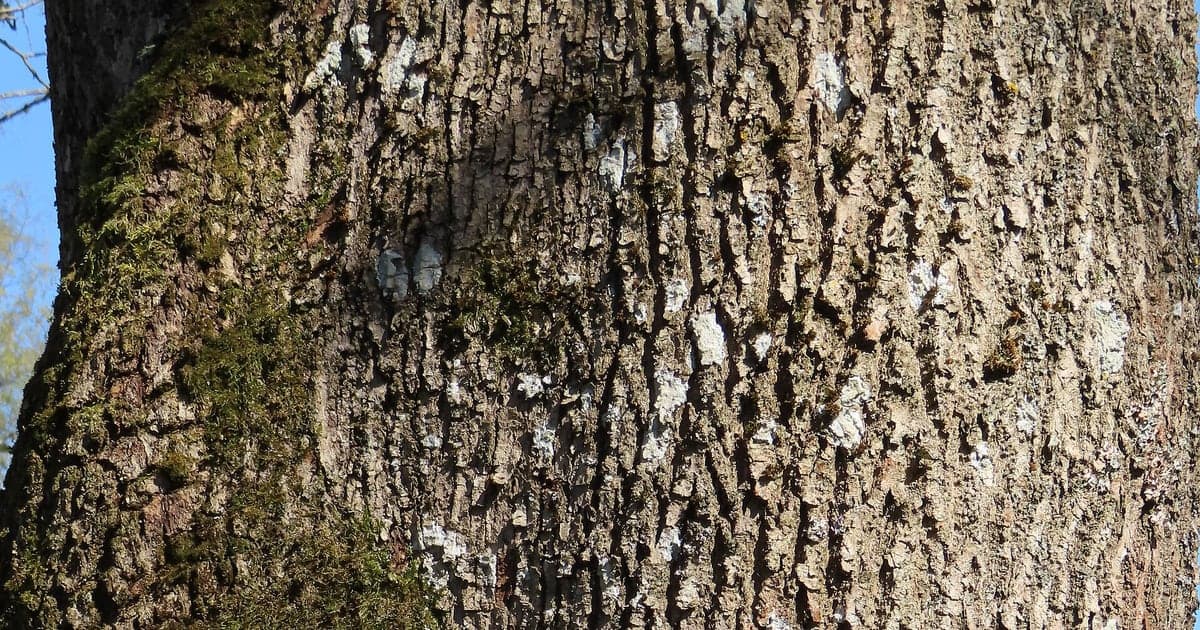
A winter check: ash versus beech
Use these UK and European examples as starting points, not rules for every ash or beech worldwide. Winter in the Northern Hemisphere is not winter in Australia.
Common ash
Fraxinus excelsior has distinctive black buds, arranged in opposite pairs. A clear twig photo is more useful than deciding from gray, ridged bark alone.
Beech
Look for long, pointed buds along the twig. Compare several undamaged buds rather than guessing from the outline of a distant crown.
No reachable twig
Keep the identification provisional. Save a bark photo and a whole-tree view, then return when leaves or accessible seasonal details are visible.
Identify a leafless tree
Check branch arrangement
Look for opposite or alternate twigs and note whether the crown is upright, rounded, spreading, or drooping.
Inspect buds and leaf scars
Photograph terminal buds, side buds, bud scales, and the marks left where leaves detached.
Compare bark
Record texture, ridge direction, plates, lenticels, peeling, and differences between young and mature growth.
Look for remaining evidence
Use cones, seed pods, fruit, thorns, and verified fallen leaves to confirm the shortlist.
Begin with branches, twigs, and buds
Stand back and check how small branches meet each twig. Opposite branching places pairs across from one another; alternate branching staggers them. This first split can remove many candidates quickly. Then look at the end of a reachable twig. A terminal bud may be pointed, rounded, clustered, resinous, hairy, or protected by overlapping scales.
Leaf scars sit below buds where a leaf stalk detached. Their shape and the small bundle marks inside can be useful in winter identification. Photograph the twig against a plain background and keep it attached to the tree. Do not break branches to improve the picture. A close optical zoom is less useful than moving nearer while keeping the bud sharp.
Use the bare crown as evidence
Leaf-off conditions reveal the tree's architecture. Notice whether the trunk continues strongly through the crown or divides low into several leaders. Branches may rise steeply, spread horizontally, droop at the tips, or form a tight column. Old pruning and storm damage can change this shape, so compare several mature trees nearby when possible.
Also record the setting. A tree growing naturally in wet ground has a different candidate list from a specimen planted along a dry city street, although landscaping can put species far outside their native habitat. Size, trunk count, and whether the tree holds dead leaves through winter add context without proving a species by themselves.

Compare winter bark at more than one age
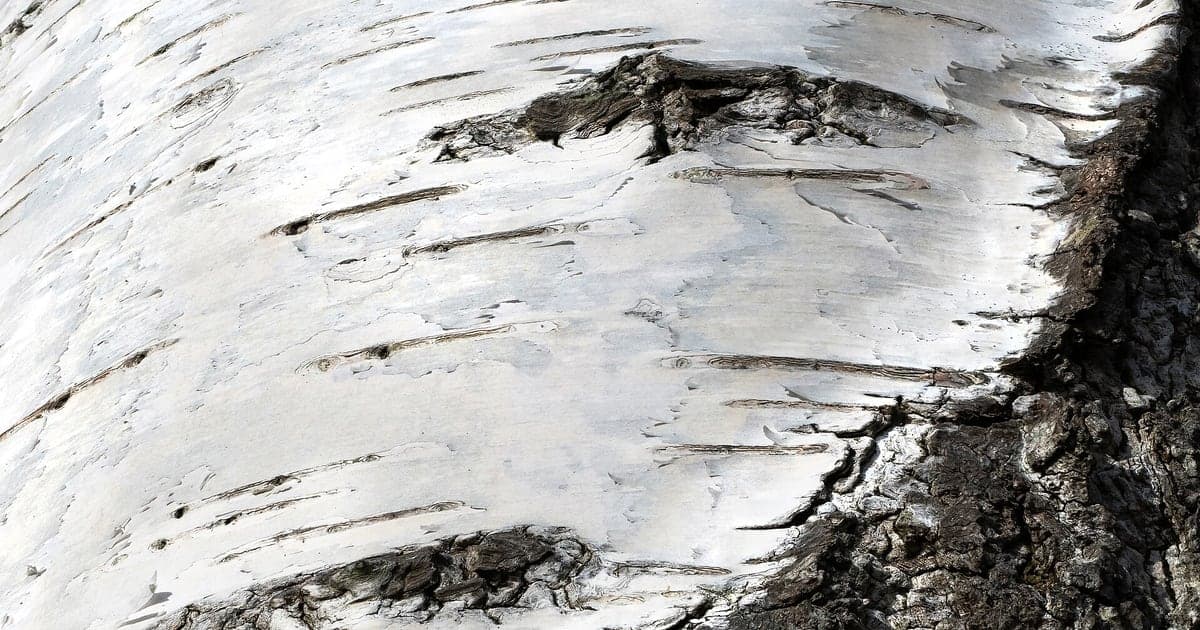
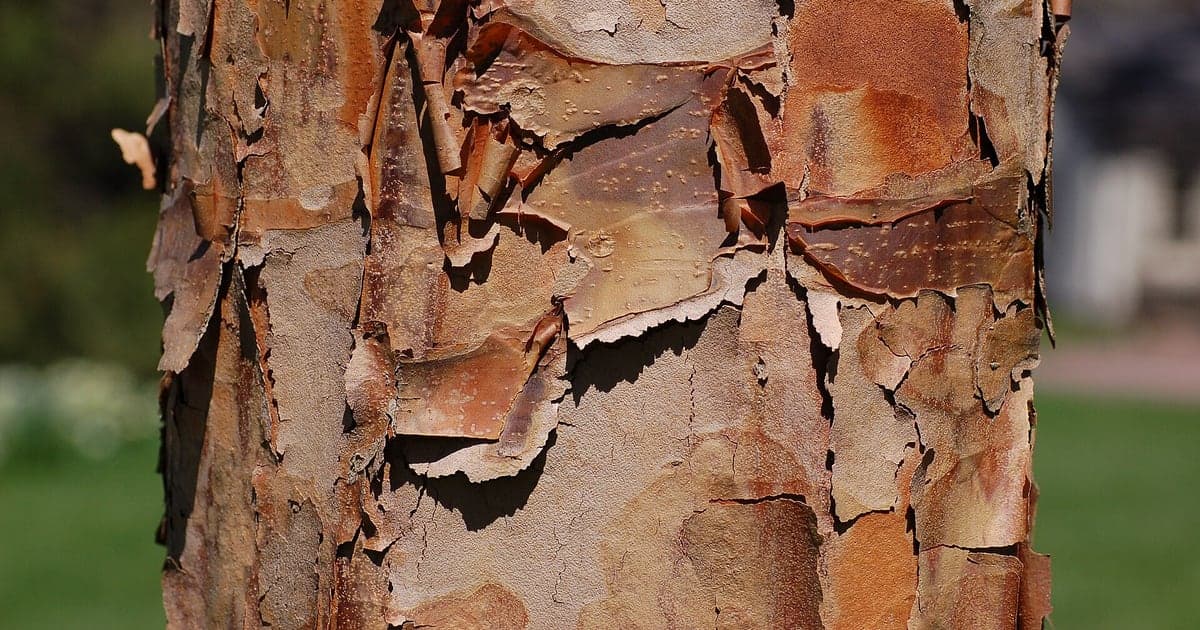
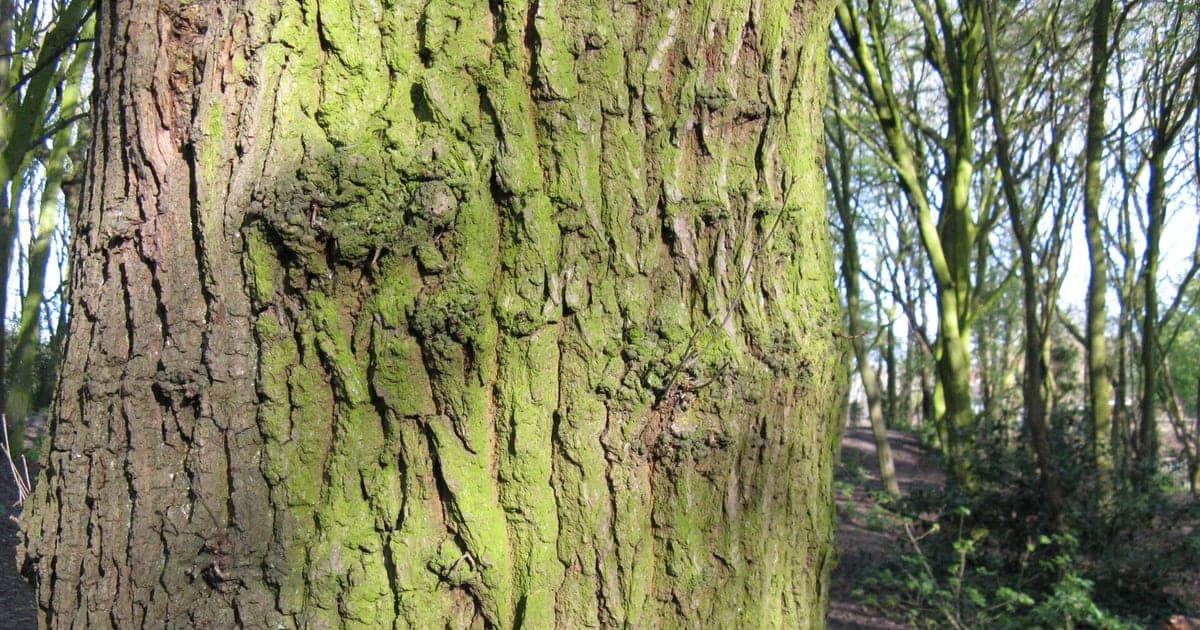
Winter light can make bark texture easier to photograph. Classify the main trunk as smooth, peeling, ridged, furrowed, plated, scaly, or shaggy. Look for horizontal lenticels and exposed colors beneath loose outer layers. Then compare a younger upper branch, where the bark may retain a smoother pattern that appears in identification keys.
Submit the clearest bark or whole-tree photo to TreeBarkId and read the suggested characteristics. A result that fits the bark but conflicts with opposite branching or bud shape needs another pass. The app can organize likely matches and species details, while your second and third observations provide the confirmation that a single photo cannot.
Find clues that persist after autumn
Cones, acorns, winged seeds, seed pods, berries, catkins, and thorns may remain after leaves fall. Search the branches and the ground directly beneath the canopy, but check that wind or a neighboring crown did not move the material. Old fruit is often weathered, so use attachment style and shape rather than color alone.
Save a likely match with its location and return after bud break. Spring leaves or flowers provide a strong final check and turn one winter observation into a useful year-round record. If the tree is protected, potentially hazardous, or being assessed for work, have a local expert confirm it before making a decision.
Use location and season as supporting evidence
Habitat can strengthen a winter identification, but it should not decide it. A moisture-loving native may appear on a dry city block because it was planted and irrigated. Record whether the tree is in woodland, beside water, on exposed ground, or in a managed street planting, then compare that context with buds, twigs, bark, and crown shape.
Timing matters as well. Early swelling buds, persistent seed clusters, old catkins, and recently dropped fruit can narrow the field. Note the month and local conditions rather than relying on a fixed calendar date, because elevation, latitude, and an unusually warm winter shift seasonal stages. The same mapped tree can then be revisited when leaves or flowers provide a stronger confirmation.
Questions about this guide
What is the best winter tree identification clue?
Use a combination of twig arrangement, buds, leaf scars, bark, and crown shape. Buds and twigs often separate trees that have similar mature bark.
Can fallen leaves identify a bare tree?
They can help only when you are sure they came from that tree. Wind, overlapping crowns, and street cleanup can move leaves away from their source.