TreeBarkId
7 minute field guide
How to Identify a Tree by Bark
To identify a tree by bark, first classify the surface as smooth, peeling, ridged, furrowed, plated, scaly, or shaggy. Then note the direction and spacing of lines, the color inside cracks, any lenticels, and how the pattern changes from the base upward. Bark is valuable evidence, especially in winter, but it works best alongside buds, twigs, fruit, or overall form.
By Fluxer Labs SL · Updated
Birch, beech, or paperbark maple?
These are comparison examples, not a worldwide identification key. The photos show individual specimens; age and growing conditions change bark. Check a regional flora before selecting a species.
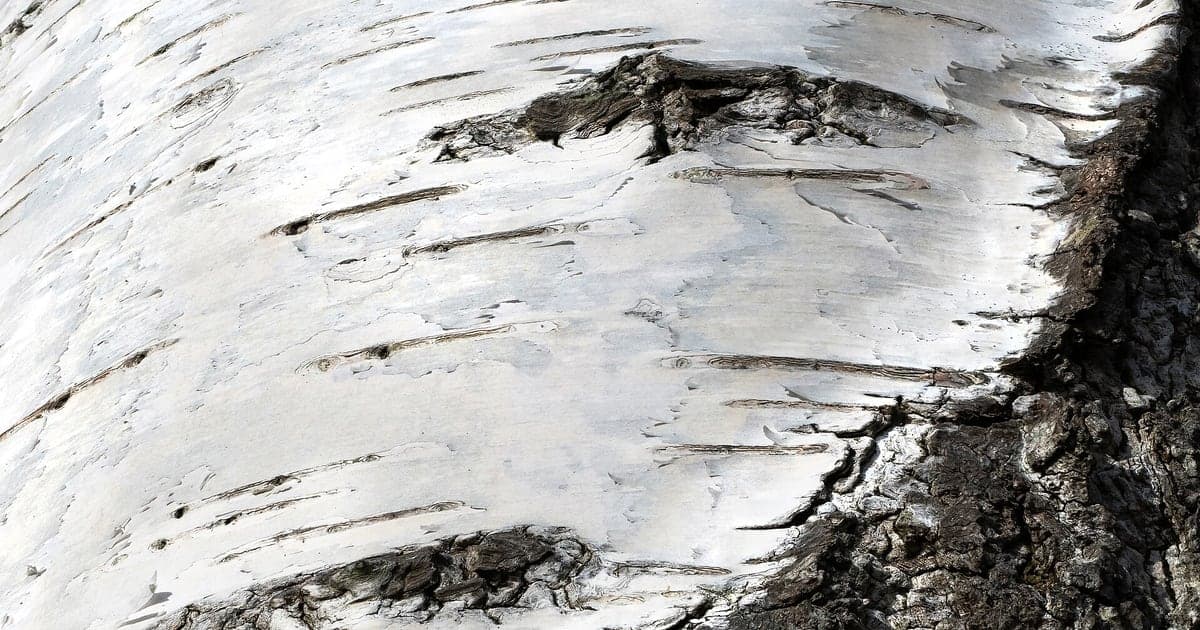
Birch: pale, papery layers
Some birches peel in thin sheets, but not every birch is white. Look beyond trunk color and compare the twigs and leaves.
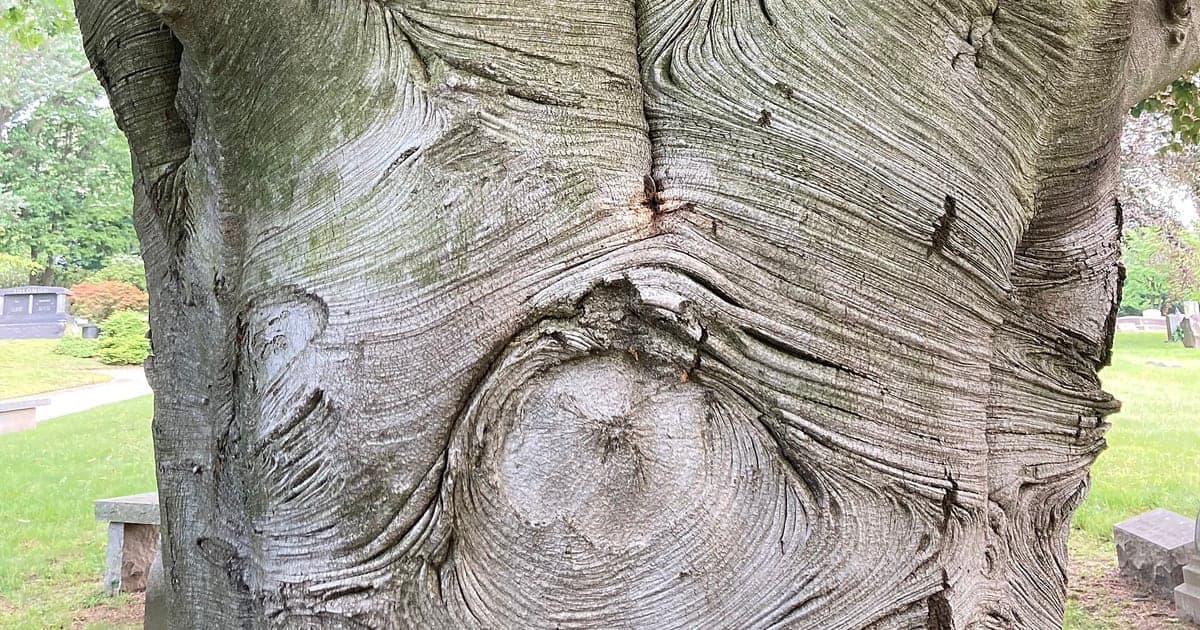
European beech: gray bark
Fagus sylvatica commonly has thin, smooth gray bark. Confirm with alternate leaves and their wavy edges. It is native to Europe and planted elsewhere.
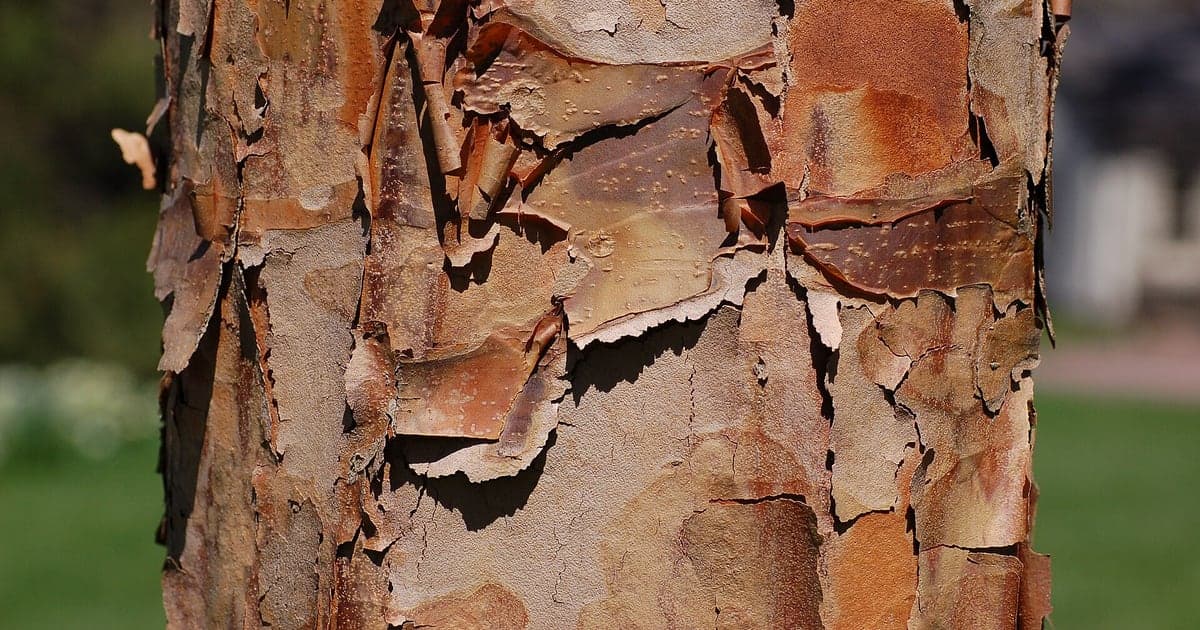
Paperbark maple: cinnamon curls
Acer griseum has copper-brown peeling bark and leaves made of three leaflets. Native to central China, it is also grown as an ornamental tree.
Identify a tree using bark
Classify the surface
Decide whether the bark is smooth, peeling, ridged, furrowed, plated, scaly, or shaggy.
Record the pattern
Look for horizontal lenticels, vertical cracks, diamond shapes, blocky plates, and exposed inner colors.
Compare trunk areas
Check the base, middle trunk, and a younger branch because bark changes with age.
Confirm another trait
Match a bud, twig, leaf, fruit, cone, or silhouette before settling on the species.
Read bark texture before bark color
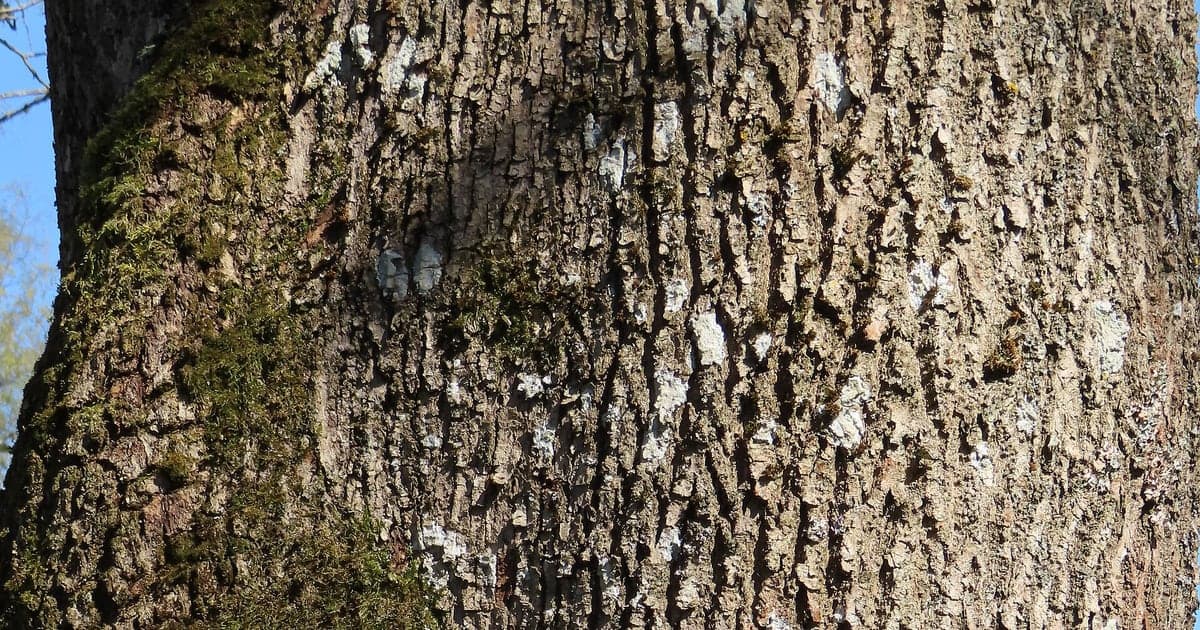
Texture is usually more stable than a color impression made under changing light. Begin with broad categories. Smooth bark may still carry horizontal pores called lenticels. Peeling bark can come away in papery curls, strips, or mottled plates. Furrowed bark has grooves between ridges, while plated bark breaks into larger blocks. Scaly bark forms smaller flakes, and shaggy bark lifts in long loose pieces.
Move your eyes across a section at least as wide as your hand. A tiny crop can make a broad plate look like a ridge. Notice whether grooves run mostly vertically, cross into diamonds, or stay irregular. Look inside the furrows for a contrasting reddish, orange, or pale layer. Record texture in plain words before comparing species names.
Account for age, moisture, and position
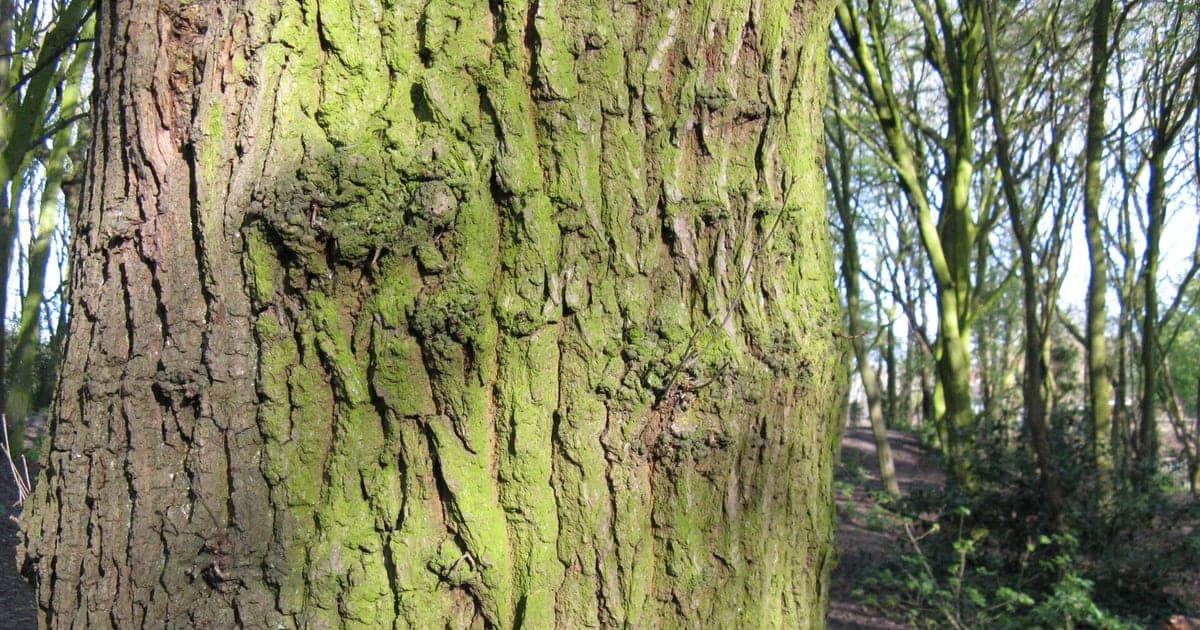
The same tree can carry different bark at different heights. Young stems are often smoother and thinner than an old trunk. Near the ground, weather, soil splash, moss, and repeated contact can darken the surface. Rain deepens color and reduces the shadows that show shallow ridges. Compare the main trunk with a younger branch before rejecting an otherwise plausible match.
Bark can also vary within a species, which is why location and scale matter. Include a hand, ruler, or familiar object near the trunk without covering the useful pattern. Do not rely on moss or lichen color as a species trait; those organisms grow on the surface and respond to local moisture and light.

Photograph bark for a tree identifier app
Use soft daylight and hold the phone parallel to the trunk. Tap the bark on screen to set focus, then keep the camera still. Take one close image for texture and one wider image that includes the trunk shape and lower branches. If the surface is glossy after rain, shift slightly so reflected sky does not wash out the pattern.
TreeBarkId can compare a bark photo with likely species and present the visible traits in a detailed result. Read the bark description, family, range, and other characteristics instead of stopping at the common name. If the suggested species normally has obvious lenticels and your tree has deep interlocking ridges, gather another image and reassess.
Confirm bark with a second seasonal clue
Buds and twig arrangement are useful when leaves are absent. Opposite buds narrow the field differently from alternate buds, and terminal bud shape can be distinctive. Cones, acorns, seed pods, persistent fruit, thorns, and old leaves beneath the same canopy can all add evidence. Make sure fallen material belongs to the tree you are examining before using it.
A bark match should lead to a careful comparison, not to cutting, tasting, or peeling the tree. Wisconsin Extension cautions against carving into or removing bark because the inner tissues move water and nutrients while the outer layer protects the trunk. For hazardous trees or disease concerns, use the app as documentation and contact a certified arborist.
Know when bark alone is not enough
Some genera contain several species with similar mature trunks. Urban planting also puts related cultivars beside one another, where bark color and ridge pattern can overlap. When the shortlist stays broad, check leaf scars, bud scales, twig color, branch arrangement, flowers, fruit, or cones. The goal is to find a trait that narrows the choice instead of collecting more photographs of the same bark patch.
Weather can also mislead a bark comparison. Wet bark looks darker, lichen covers surface color, and low sun exaggerates shallow shadows. Record those conditions and compare texture at another side of the trunk. If a feature disappears when the light changes, it is less useful than a repeated ridge, lenticel, plate, or peeling pattern.
Questions about this guide
Can bark alone identify a tree?
Distinctive bark can narrow a tree to a species or small group, but many trees change as they age. Confirm the result with buds, leaves, fruit, cones, branching form, or location.
Why does bark on a young tree look different?
Young bark is commonly smoother and thinner. Ridges, plates, fissures, and peeling patterns often become clearer as the trunk expands and matures.