TreeBarkId
8 minute field guide
How to Check Tree Health from Bark
Bark can show useful health clues, but it cannot diagnose a tree by itself. Look for new cracks, missing bark, dark fluid, sunken areas, fungal growth, holes, or fine wood dust, then inspect the crown, branches, roots, and recent growth. Normal peeling and mature furrows vary by species, so compare unusual changes with the tree's expected bark pattern.
By Fluxer Labs SL · Updated
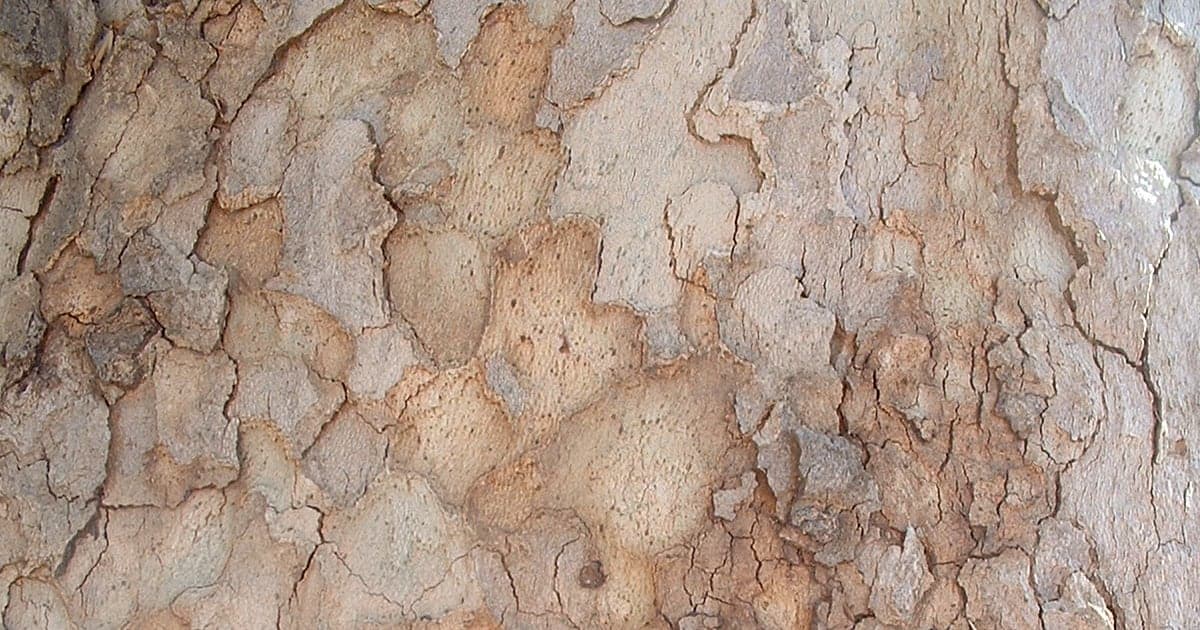
Normal shedding or a change worth checking?
The plane-tree photograph illustrates peeling texture, not a diagnosis of that tree. A photo cannot establish internal decay or structural safety.
Shedding that fits the species
Some trees shed outer bark naturally. Compare the pattern with the species description and inspect the crown before treating peeling as disease.
A new injury or rapid change
Record when it appeared, the part of the trunk affected, and whether branches or leaves have changed. Do not strip bark to investigate.
Decay, major cracks, or failing branches
Keep away from potentially unstable branches and ask a qualified local arborist to inspect the tree. An app result is not a safety clearance.
Perform a visual tree health check
Identify the species
Establish the likely species so you know whether peeling, plates, or deep furrows are normal.
Inspect the full trunk
Walk around the tree and note wounds, fluid, sunken areas, holes, fungi, and changes from earlier photos.
Check crown and roots
Look for dead branches, sparse foliage, recent lean, soil lifting, damaged roots, and reduced new growth.
Escalate safety concerns
Keep people away and contact a qualified arborist when defects could affect a building, path, road, or play area.
Separate normal bark from a recent change
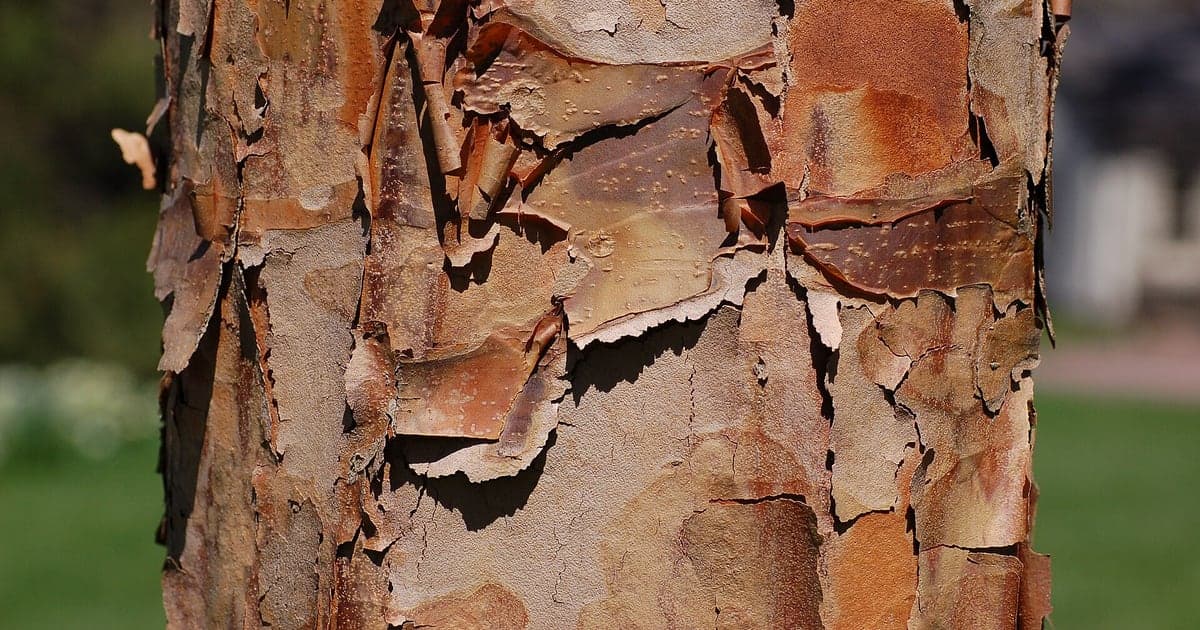
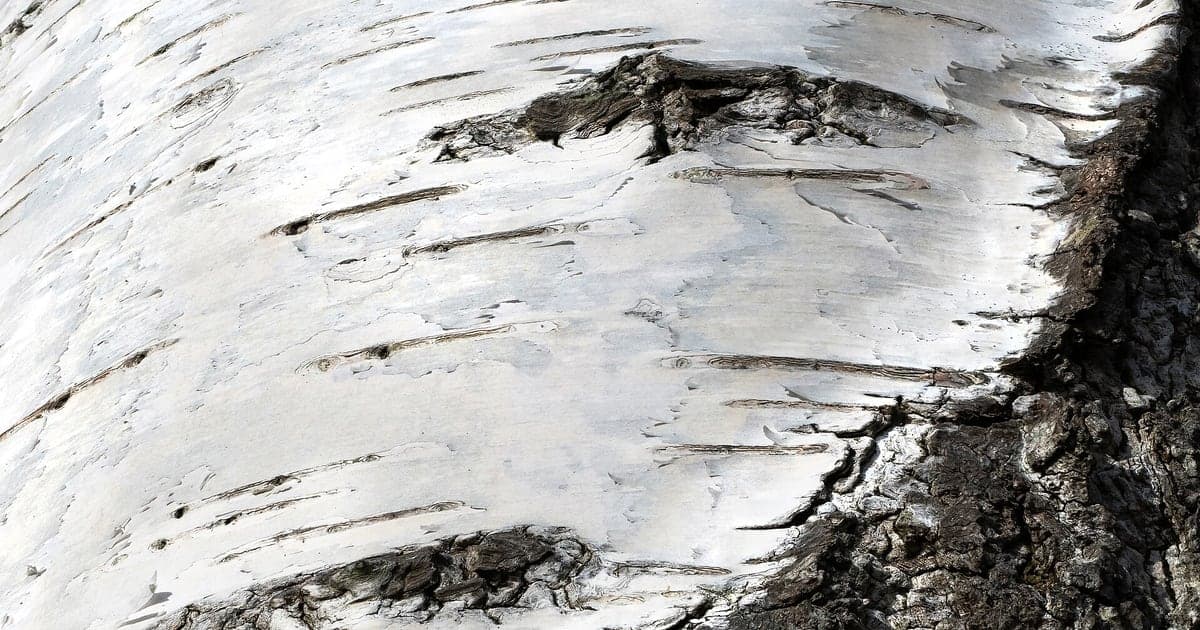
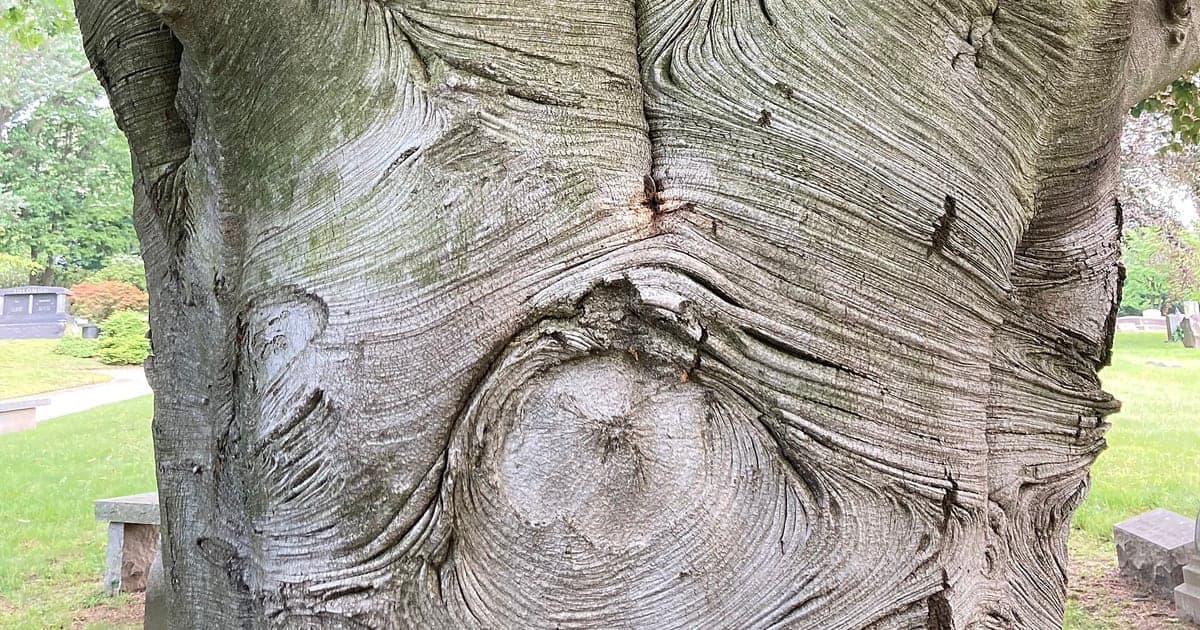
Begin by identifying the tree as closely as possible. Peeling sheets are normal on some birches, mottled shedding is expected on sycamores, and deep furrows develop naturally on mature oaks. A photograph from a previous season is valuable because it shows whether a crack, patch, or stain is new. Compare several sides of the trunk and nearby trees of the same species.
Normal growth can stretch and split outer bark without exposing dead wood. Iowa State Extension notes that peeling or splitting is not always harmful when healthy bark is developing underneath. Concern rises when damage is expanding, exposes substantial wood, circles the trunk, or appears with crown decline.
Record bark symptoms clearly
Photograph dark fluid, sunken areas, open wounds, fungal fruiting bodies, loose bark, and clusters of holes from both close and wider views. Fine sawdust or frass near holes can indicate insect activity. Include a ruler or familiar object for scale without touching fluid or fungi. Note the date, recent storms, construction, mower damage, and changes in watering.
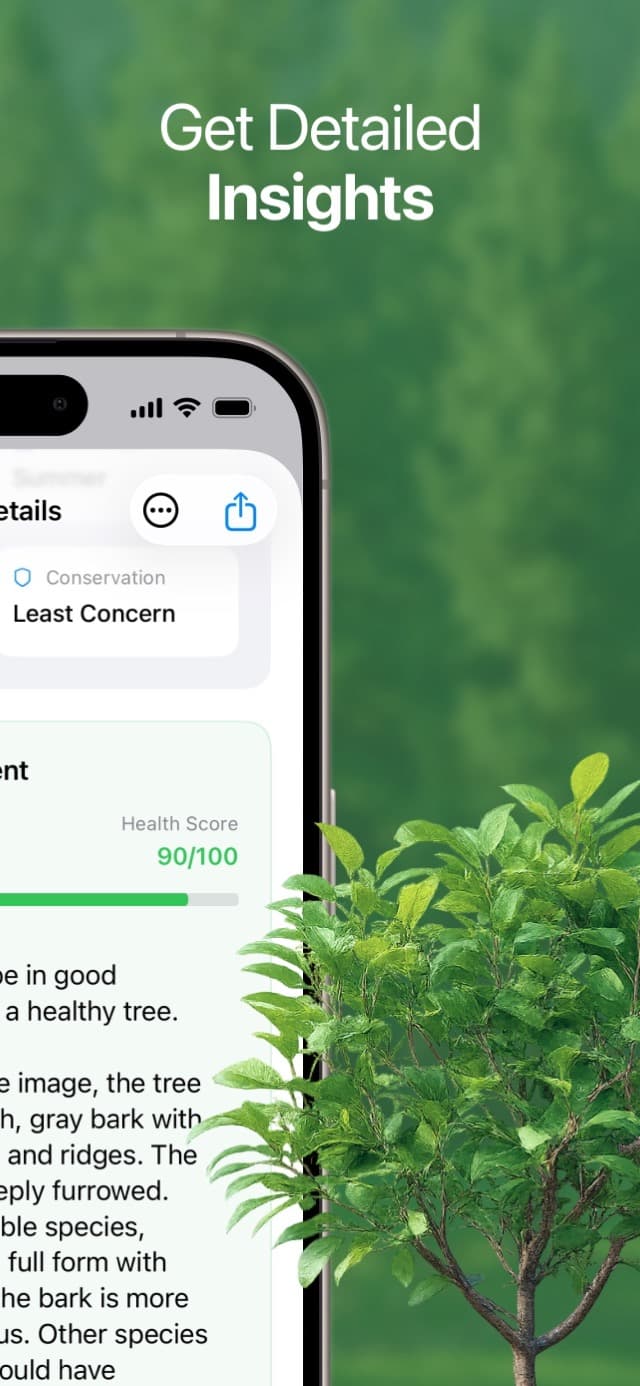
TreeBarkId can organize visible observations into a health assessment alongside the likely species. That can help you describe the issue and compare it over time. It cannot test internal decay, root stability, pathogens, or structural strength from a phone image, so do not use a score as permission to work, climb, or stand beneath a suspect tree.
Inspect the whole tree as well as the trunk
Kew recommends looking at annual growth and the wider tree. Check for a thinning crown, dead branches, leaves that are unusually small or discolored, and a sudden reduction in new shoots. At ground level, look for cut roots, soil heaving, cavities, mushrooms, or a new lean. One bark mark on a vigorous tree can mean something different from the same mark beneath a declining crown.
Season also matters. Dormant deciduous trees naturally have no leaves, while drought and heat can cause temporary stress. Compare observations at similar times of year and avoid making a diagnosis from one symptom. A mapped photo record makes gradual change easier to see than memory alone.
Know when to contact an arborist
Seek professional help when a large crack, cavity, hanging branch, recent lean, root plate movement, lightning strike, or major trunk wound could affect people or property. Keep others away from the potential fall zone until the tree is assessed. A certified arborist can inspect structure, roots, site conditions, and internal defects that are invisible in a photograph.
For smaller non-urgent changes, save clear images, location, and dates. Avoid sealing wounds, removing sound bark, or applying treatment before the cause is understood. The useful role of an app is to identify, document, and explain visible context. Diagnosis and risk decisions belong with a qualified local professional.
Track change instead of relying on one photograph
A single image cannot show whether a crack is stable, a patch is expanding, or a crown is thinning over time. Stand in the same safe place and photograph the trunk and canopy at regular intervals. Keep the date, weather, and viewpoint consistent enough to compare the images. Do not stand beneath hanging branches or enter a marked exclusion area to recreate a shot.
Look for measurable change: a longer crack, fresh exposed wood, new fungal growth, spreading dead bark, more dead branches, or movement at the soil line. A stable mark on an otherwise vigorous tree may need routine observation, while rapid change raises the priority for professional assessment. Send the sequence, not just the latest close-up, when you contact an arborist.
Questions about this guide
Can a photo tell if a tree is dangerous?
No. A photo can record visible symptoms, but tree risk depends on structure, roots, internal decay, site exposure, and what could be struck. Use a qualified arborist for safety decisions.
Is cracked or peeling bark always a disease sign?
No. Some species peel naturally, and bark can split as a trunk grows. New expanding wounds, exposed wood, fluid, fungi, crown decline, or structural changes need closer assessment.